Easy Overnight Fresh Milled Sourdough English Muffins

Last Updated on September 1, 2026 by Autumn Ballard
These easy overnight fresh milled sourdough English muffins are soft, fluffy, and full of flavor. Made with freshly milled hard white flour, active sourdough starter and are fermented overnight for a simple, from-scratch breakfast you can prep ahead.
Fresh milled flour and an overnight sourdough ferment make these English muffins both simple and satisfying. The dough comes together the night before, then cooks up into soft, tender muffins with all those classic nooks and crannies in the morning.
It’s an easy, make-ahead recipe that fits beautifully into a from-scratch kitchen and makes homemade breakfast feel completely doable for feeding my crew of five!

These easy overnight fresh milled sourdough English muffins have quickly become a staple in my kitchen. They’re soft, fluffy, and full of flavor, with just the right tangy flavor that only whole wheat sourdough can give.
The dough comes together the night before in a large bowl, sits at room temperature while you sleep, and then cooks up beautifully the next morning with very little effort.
If you’re trying to build a from-scratch rhythm without adding extra stress (or extra cost), this is a great way to do it. Homemade English muffins sound fancy, but this recipe keeps things simple, practical, and completely doable—even on busy mornings.
I created a course about Fresh Milled Sourdough with all the things I learned about this process. Be sure to take a peek if that would be helpful to you!.

Why You’ll Love These Overnight English Muffins
There are a lot of English muffins recipe options out there, but this one truly fits into real life—real life as in my life of a homeschool mom of five. It’s designed for home bakers who are milling their own flour, maintaining an active sourdough starter, and wanting the best results without overcomplicating things.
Here’s why these sourdough English muffins work so well:
- The overnight ferment gives you all the health benefits of whole grains without rushing the process
- Fresh milled flour brings a nutty flavor and soft texture you just can’t get from white flour
- The english muffin dough is mixed once, rested, and cooked—no kneading marathon required
- They freeze beautifully for longer storage—another key to feeding big families
- They’re perfect for breakfast sandwiches, eggs benedict, or simply toasted with peanut butter
If you’re already baking sourdough bread, this is a great way to use your own sourdough starter in something a little different than yeasted breads.
This post may contain affiliate links, which means I may earn a small commission at no extra cost to you if you make a purchase through these links. I only recommend products I personally use and trust. Your support helps keep this blog running—thank you!
Key Ingredients
I want to talk through why each of these key ingredient matters and how it works with fresh flour.
- Fresh milled flour behaves differently than purpose flour or store-bought white flour and there are so many benefits to using fresh milled flour. It absorbs liquid differently, ferments differently, and gives you a softer crumb when treated gently. That’s why this dough is intentionally a little sticky and rested for a full 8–12 hours during the first rise.
- Using milk instead of water adds tenderness.
- Honey balances the tangy flavor from the active sourdough starter.
- Baking soda is added the next morning to help neutralize acidity and give these muffins their signature lift.
You can find the full ingredient amounts listed in the recipe card at the bottom of this post
Best Grain Choices for English Muffins
When it comes to fresh milled English muffins, grain choice really matters.

I typically reach for hard white wheat because of its high protein content and mild flavor. It supports structure and rise without being heavy, making it ideal for homemade sourdough English muffins.
That said, you have options:
- Hard white wheat – mild, soft, great structure
- Hard red wheat – deeper flavor, slightly heartier texture
- Kamut or spelt – wonderful for added flavor and complexity
You can also mix grains if you like. Milling your own flour with a grain mill allows you to customize your own flour in a way store-bought flour simply can’t match. Fresh flour brings better flavor, improved texture, and real health benefits.
It’s kind of a dance between preferences, so feel free to play with different berries like I have done. Be sure to share and let me know if you have certain combinations you discover along the way! I am always open to learning because this is all still a process for me too!
How to Make Fresh Milled Sourdough English Muffins
This is a very simple, low-hands-on process that fits beautifully into a from-scratch kitchen rhythm. Everything starts the night before in one large mixing bowl, making this a great way to use your own sourdough starter without overthinking it.

The Night Before—In a large bowl, combine the milk, active sourdough starter, and honey. I like using a dough whisk, but a spoon works just fine. Add the fresh milled flour and mix until everything is fully combined and a slightly sticky dough forms.
Would you like to save this?
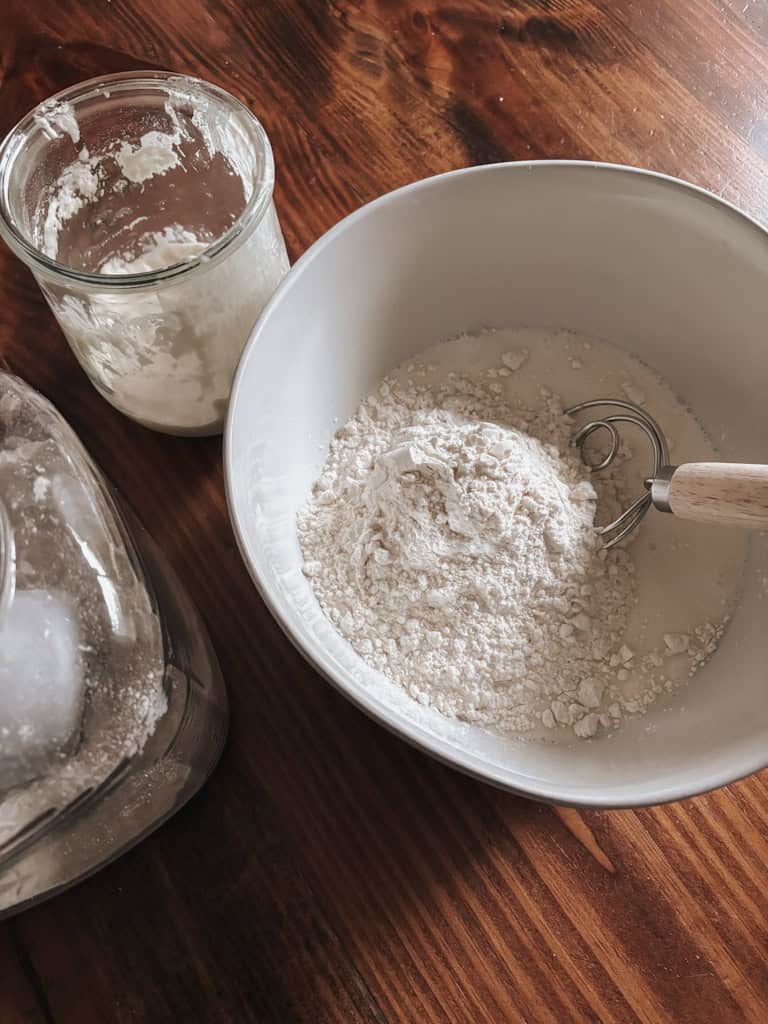
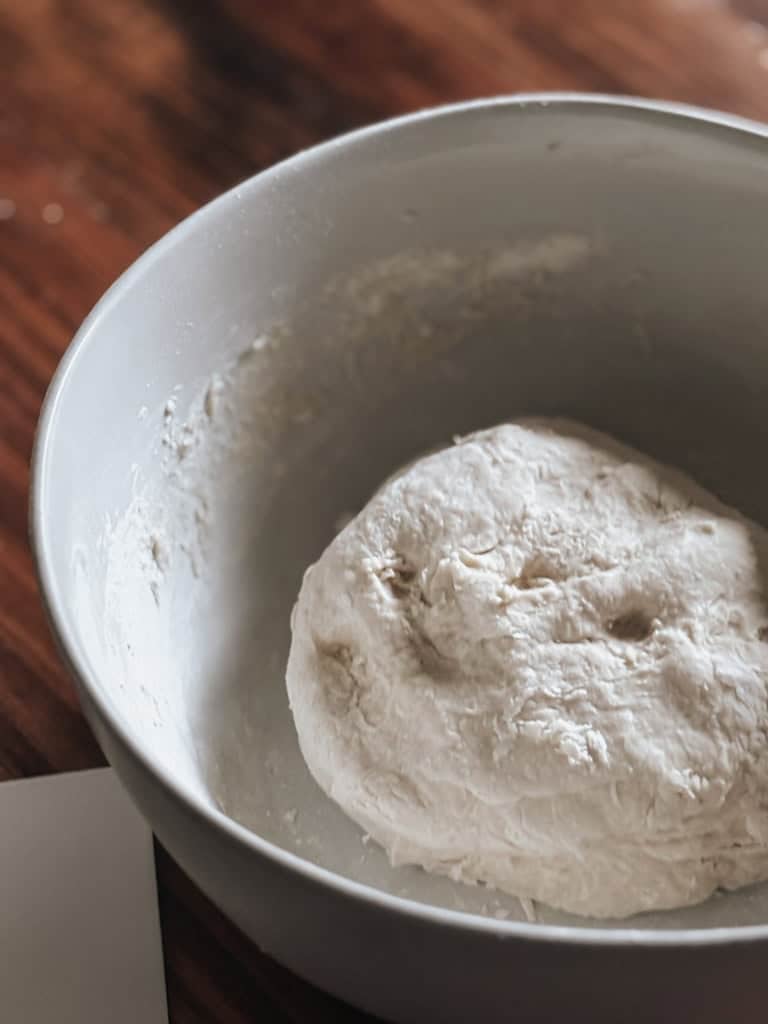
The dough will look shaggy and soft rather than smooth, which is exactly what you want at this stage—avoid adding much flour here, as less flour leads to softer, chewy muffins.
Once mixed, cover the bowl with plastic wrap and leave it at room temperature or in a warm place for the first rise. This overnight rest (about 8–12 hours) allows the english muffin dough to ferment slowly, develop flavor, and become easier to work with the next day.
Fresh milled whole grains need time to hydrate, and this long ferment is a great way to support better texture and the overall health benefits of whole wheat sourdough.
The Next Morning—The next morning, sprinkle the salt and baking soda over the top of the dough. Use your hands or a spoon to gently mix until fully incorporated. The baking soda helps balance acidity and gives these sourdough English muffins their light texture.
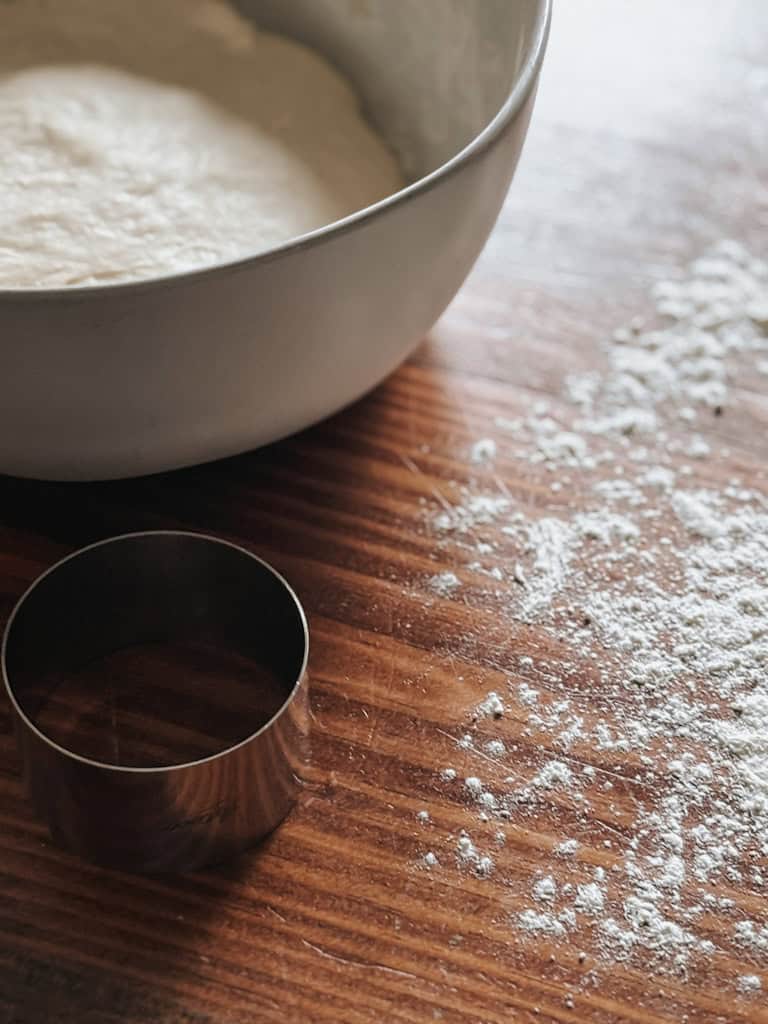
Transfer the dough to a lightly floured work surface—you won’t need much flour here. If the dough feels sticky, lightly flour your hands or use wet hands to keep it manageable.

Using a rolling pin, gently roll the dough out to about ½-inch thickness. Try not to press out too much air; those pockets are what create a good English muffin with all the nooks and crannies. Cut the dough using a biscuit cutter, cookie cutter, or even muffin rings if you have them.

As you place muffins onto a prepared sheet pan or baking sheet lined with parchment paper and dusted with cornmeal, lightly coat both the tops and bottoms. This helps prevent sticking and gives the muffins their classic texture. Allow the muffins to rest briefly while the oven preheats—this short dough rest acts as a gentle second rise and helps with oven spring.
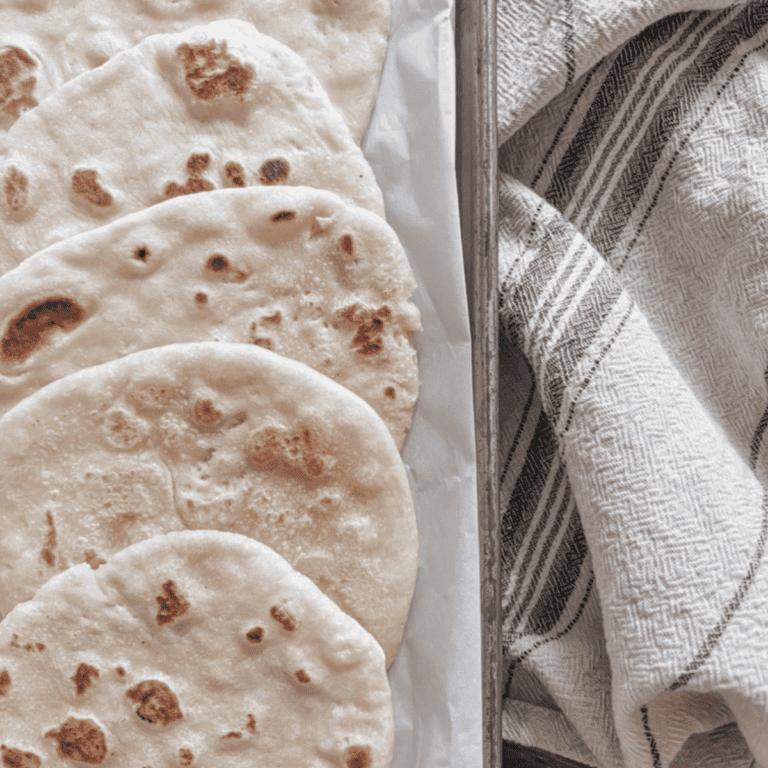
Bake on a baking sheet at 400°F, then flip halfway through baking so both sides cook evenly and turn golden brown. Once finished, the muffins should be fully set with a soft interior; if you prefer to check, the internal temperature should be around 200°F. Transfer the baked muffins to a cooling rack and allow them to cool completely before slicing.

These fresh English muffins are soft, flavorful, and perfect for everything from breakfast sandwiches to eggs benedict, or simply toasted and spread with peanut butter or homemade jam.
Make-Ahead, Storage & Freezing Tips
These fresh English muffins are perfect for prepping ahead.
- Store cooled muffins in an airtight container for several days
- For longer storage, freeze once fully cooled. I like to freeze them in a ziplock bag, labeled, and ready at a moments notice.
- Slice before freezing so they can go straight into the toaster
Fresh milled flour does best when stored properly, and freezing helps preserve both texture and flavor.
Serving Ideas
These homemade English muffins are incredibly versatile:
- Toasted with peanut butter or homemade strawberry jam
- Used for breakfast sandwiches with eggs and cheese
- Split and topped for eggs benedict if you are feeling fancy
- Served alongside soup instead of sourdough bread—this is a great change up for my crew. It’s still bread, but because it’s in a different form, the kids like it even more!
Troubleshooting Common Issues
Dense muffins → The dough may be under-fermented or your starter wasn’t active enough
Pale color → Oven temperature too low
Dry texture → Too much flour added during shaping
Fresh flour absorbs liquid differently, so trust the process and resist adding extra flour unless absolutely necessary. Remember, kind of trial and error as you begin this process, so don’t give up or be discouraged. Each bake is an opportunity to learn, and worse case scenario, you have to feed your bakes to your chickens!
Recipe FAQs
This recipe works best with an active sourdough starter, not discard.
No—this version is baked, not skillet-cooked, though a large cast iron skillet or cast-iron skillet can be used for other English muffins recipe variations.
You can, but fresh milled whole grains will give you better flavor and health benefits.
More Fresh Milled Sourdough Recipes
If you loved these sourdough English muffins, you’ll also enjoy other fresh milled favorites that use similar techniques and fermentation timing.
- Fresh Milled Sourdough
- Sourdough Starter with Fresh Milled Flour
- Double Chocolate Chip Sourdough Muffins with Fresh Milled Flour
If you’re new to fresh milled flour or homemade sourdough, let this be your reminder that it doesn’t have to be complicated to be meaningful. Recipes like these sourdough English muffins are meant to fit into real life—mixed in a bowl the night before, baked the next morning, and shared around the table without stress.
I have learned little by little, these small from-scratch habits add up, nourishing our families in ways that go far beyond the food itself. You don’t have to do everything at once to see the benefits—just start where you are, with what you have, and let simple, intentional baking become part of your everyday rhythm.

Easy Overnight Fresh Milled Sourdough English Muffins
Ingredients
- 1 1/2 cups milk
- ½ cup active sourdough starter
- 1 tsp honey
- 3 cup fresh milled flour (hard white wheat)
- 1 tsp salt
- 1 tsp baking soda
- cornmeal for dusting
Instructions
The Night Before
- Combine milk, sourdough starter, and honey together in a large bowl. Add flour, mix together, and then cover with plastic wrap and leave it out on the counter overnight or for 12-18 hours.
The Next Morning
- In a small bowl, combine salt and baking soda. Sprinkle over your dough and mix together until fully combined.
- Transfer the dough to your work surface. You may want to use a little flour or oil so that your dough doesn't stick but I didn't find it necessary. Roll your dough out to about 1/2" thickness.
- Cut muffins using a biscuit cutter or jar lid and place them on a baking sheet lined with parchment paper and sprinkled with cornmeal. As I place them on the baking sheet, I use the cornmeal on the pan to dust the tops and bottoms.
- Then preheat your oven to 400°F. Allow your muffins to rest while the oven preheats.
- Bake for 10 minutes, flip, and bake them for an additional 5 minutes.





Hi there! making this recipe as i write this. The flour to milk ratio did not seem to work for me and I had to add an extra full cup of milk to mix this dough properly. Is it supposed to be a hard/ dry dough mix? How does it come out for you once you mix? I will use 2 cups maximum next time for flour based on my results. Also, is the baking soda used to make the muffins fluffier? I hope I get good results! Thanks!
Hi! Honestly, I’m not sure what went wrong Margarita. One cup of milk should have produced a shaggy dough for you. Not too dry but not a wet dough. You can see what mine looks like in the photos of the post. The baking soda is added right before baking to help make the muffins rise and fluff up. Let me know if you give it another try!
I had the same issue. I added an extra cup of milk and a smidge more sourdough starter cause it was sooo dry. I did notice the humidity in my home was low, so that couldve played a factor too. I’m not sure if these are going to turn out tomorrow.
I’d love to know how they turned out! I’ll double check the recipe by making it again since you’re the second person to mention it being dry.
Hi autumn! These look incredible. I was wondering if you could convert this recipe to grams instead? I find that easier & more precise to measure fresh milled flour. If not, how much grain do you mill to yield 3 cups flour?
Hi Grace! I do not have the metric conversions but I do mill about 2 cups of wheat berries to get 3 cups of flour. I hope you enjoy them!