Soft & Buttery Sourdough Brioche Bread – Beginner-Friendly

Learn how to make soft and buttery sourdough brioche with this easy from-scratch recipe. Naturally leavened, rich in flavor, and perfect for rolls, loaves, or French toast.

I love showing that sourdough doesn’t have to be complicated — and this brioche recipe is proof. With its rich, buttery crumb and naturally leavened rise, it’s the kind of bread that feels special but is completely doable in a home kitchen. Whether you’re baking a loaf for French toast or shaping soft dinner rolls, this sourdough brioche brings bakery flavor right to your table.
What Is Sourdough Brioche?
Sourdough brioche is an enriched bread made without commercial yeast. Instead, it relies on your active sourdough starter — wild yeast — to give it that beautiful, natural rise. It’s rich with lots of eggs, unsalted butter, and milk, giving it that signature tender crumb and soft texture.

Think of it as the intersection between classic French bread and a sweet, buttery pastry. It’s still a bread dough, but one that’s enriched with wet ingredients and plenty of fat, creating that golden, rich dough that tastes like a bakery treat.
Traditional brioche can be intimidating, but this sourdough brioche bread recipe simplifies the process without sacrificing flavor. It uses natural fermentation instead of dry yeast, and because of the bulk fermentation, you get incredible depth of flavor — that mild tang from the sourdough balances the sweetness beautifully.
This recipe works perfectly for a single loaf pan, shaped sourdough brioche buns, or even as a base for cinnamon rolls. Once you make it once, you’ll find yourself coming back again and again — it’s that versatile. Plus, your family will love it as much as mine does, I promise!
This post may contain affiliate links, which means I may earn a small commission at no extra cost to you if you make a purchase through these links. I only recommend products I personally use and trust. Your support helps keep this blog running—thank you!
Key Ingredients
Here’s a quick overview of what you’ll need:
- Active, Bubbly Sourdough Starter
- Bread Flour
- Unsalted Butter—room temperature is best!
- Egg wash
Because this is an enriched dough, temperature control is key. Make sure all of your ingredients — especially the eggs, butter, and milk — are truly at room temperature. Cold ingredients can slow down the fermentation and make it harder for the dough to come together smoothly.
You can find a full list of ingredients in the recipe card located at the bottom of this post.
The Process: How to Make Soft Sourdough Brioche
This sourdough brioche dough is made using simple ingredients, but each step builds structure and flavor. Here’s the simple process from start to finish:

Make the Dough—Start by combining your active sourdough starter, milk, eggs, sugar, and 2 cups of the flour in a large mixing bowl. If you’re using a stand mixer with a dough hook attachment, this step is even easier. Mix on low speed until everything is just combined into a thick, sticky batter.
Then, let the dough rest for about 30 minutes. This dough rest allows the flour to hydrate — a small step that makes a big difference in how well your dough handles later.
Add Remaining Flour and Salt—After the rest, add in the remaining 1½ cups of flour and the salt. Mix again until the dough begins to pull away from the sides of the bowl. The dough will still feel soft and a bit sticky at this stage, which is exactly what you want for an enriched dough.
You’ll start to see gluten strands forming as you mix — this is a good sign that you’re developing enough gluten for a strong structure later.
Add the Butter—Now comes the best part: the butter. With the mixer running on low speed, add the room temperature butter a tablespoon at a time. Let each piece fully incorporate before adding the next. This slow process ensures the dough absorbs the butter evenly, building that rich dough texture brioche is known for.
Once all the butter is added, increase to medium speed and knead for 8–10 minutes, or until the dough is smooth, elastic, and slightly glossy. You can check the strength by performing the windowpane test: stretch a small piece of dough between your fingers — it should stretch thin enough to see light through it without tearing.
This is when you’ll see why brioche is known as an enriched bread. It’s silky, buttery, and beautifully soft — not like regular bread dough at all.
Bulk Fermentation (First Rise)—Transfer the dough to a clean large bowl, cover it loosely with plastic wrap or a damp towel, and let it rest in a warm place for the first rise. This bulk fermentation typically takes 4–6 hours, depending on the ambient temperature of your kitchen.
If your kitchen runs cool, it might take extra time for the dough to rise fully. The dough should double in size and feel puffy when gently pressed.
Because this is a wild yeast dough, fermentation can vary. Trust your dough more than the clock. If you’re unsure, you can always check your ripe sourdough starter with a float test before mixing — if it floats in water, it’s ready to leaven your dough.
Chill the Dough (Optional but Helpful)—Once the dough has completed its first rise, you can move straight to shaping — or pop it in the fridge for 1–2 hours. This cold fermentation makes the dough firmer and easier to shape, especially if you’re working with a sticky dough.

Shape the Loaf—Lightly flour your work surface and gently turn out the chilled dough. Using a bench scraper, shape it into a tight ball or roll it into a log for a loaf pan. If you’re making rolls, divide the dough into equal pieces or small balls using a kitchen scale for consistency.
For this recipe I used a 9x4x4 pullman loaf pan. Depending on the size of your pan, you may want to split the loaf and bake 2.
Would you like to save this?

For a classic sourdough brioche bread recipe, place the shaped loaf seam-side down into a greased loaf pan lined with parchment paper.
Proof (Second Rise)—Let the shaped dough rise in a warm spot until it’s puffy and nearly doubled — usually about 2–3 hours. This second rise develops that final structure for a light, soft texture.

When the dough is ready, it should feel airy but still slightly firm to the touch. If you gently press it with your fingertip, it should slowly spring back.
Preheat and Bake—Preheat your oven to 375°F (190°C). Right before baking, brush the top with an egg wash made from one egg yolk and a tablespoon of water. This gives the loaf that gorgeous golden brown crust you see on bakery brioche.
Bake for 30–35 minutes, tenting loosely with aluminum foil halfway through if the top browns too quickly. The bread is done when it sounds hollow when tapped on the bottom.
Cool and Serve—Allow the loaf to cool in the pan for 10 minutes, then transfer it to a cooling rack to finish cooling completely. The aroma of freshly baked brioche is pure comfort — buttery, rich, and slightly sweet.

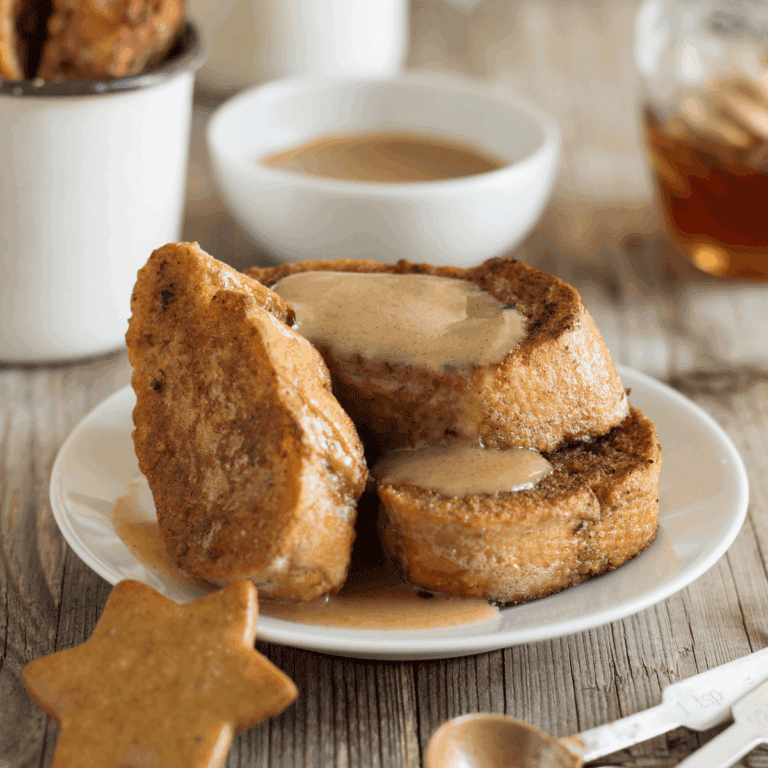
Once cooled, slice it thick for the best brioche toast or use it for French toast the next day. Because of its soft texture and tender crumb, it soaks up custard perfectly without falling apart.
Tips for the Best Brioche Texture
Here are a few things that make all the difference between a decent loaf and the best brioche you’ve ever baked:
- Use room temperature ingredients. Cold butter or eggs can prevent the dough from coming together smoothly.
- Be patient with the dough rise. Natural fermentation takes time. Don’t rush it — let the wild yeast work at its own pace.
- Perform the windowpane test. This helps ensure you’ve developed enough gluten for that light, tender crumb.
- Don’t add too much flour. Brioche dough should be soft and slightly tacky — if it’s too stiff, you’ll lose that signature texture.
- Use a cold fermentation or overnight proof. This enhances flavor and makes shaping easier.
Flavor Variations
Ok, once you’ve mastered the base sourdough brioche recipe, you can get creative with different flavors and shapes. I love doing this and changing it up a bit! Here are some of my favorite ways to enjoy it:
- Chocolate Chip Brioche: Try my Chocolate Chip Brioche version for a sweet twist.
- Cinnamon Rolls: Use this dough for cinnamon rolls — the buttery texture pairs beautifully with a cinnamon-sugar filling.
- Mini Brioche Rolls: Divide the dough into equal portions, form small balls, and bake them on a baking sheet. Perfect for sliders or dinner rolls.
Storage + Serving Ideas
Once baked, your sourdough brioche bread will stay fresh for up to 3 days at room temperature if wrapped tightly in plastic wrap or stored in an airtight bag. For longer storage, slice the loaf and freeze it — just pop a piece into the toaster when you want a warm, buttery slice.
This loaf shines in so many ways:
- Breakfast: Toasted with butter and jam or used for French toast.
- Lunch: Layered with turkey and brie for a cozy sandwich.
- Dinner: Served alongside soup or roasted chicken.
The next morning, slightly stale slices make the best way to enjoy homemade French toast. The bread’s soft texture soaks up the egg mixture beautifully and turns golden and crisp on the outside.
More Sourdough Recipes to Try
If you love this sourdough brioche bread recipe, here are a few more sourdough recipes to try next:
- Sourdough English Muffins
- Soft Sourdough Brioche Rolls with Cinnamon Butter
- Homemade Cheez-Its (Sourdough Discard Recipe)
Final Thoughts
Making sourdough brioche bread at home may sound advanced, but believe me, it’s one of those recipes that rewards patience and simplicity! Even if this is your first time working with an enriched dough, it’s incredibly forgiving. With a stand mixer, a warm spot, and a little bit of time, you’ll have a loaf that rivals any bakery — and fills your home with that unmistakable aroma of butter and warmth.
Whether you’re serving it fresh out of the oven, turning it into French toast on a slow weekend morning, or shaping it into brioche buns for sandwiches, this recipe brings something special to your everyday baking.
The process of mixing, kneading, and watching your dough rise connects you to the rhythm of homemade breadmaking — a slow, intentional way of creating food that nourishes both body and soul.
So the next time you find yourself with a ripe sourdough starter and a craving for something rich and comforting, try this sourdough brioche bread recipe. You’ll discover that the best way to make beautiful, soft bread isn’t about rushing — it’s about trusting the process, letting the wild yeast work its magic, and enjoying every step along the way. It is so much fun!
Want more delicious recipes sent straight to your inbox? Subscribe to my newsletter to receive the latest!
If you make this recipe, please leave a rating on the recipe card below! I’d also love for you to tag me @autumn.chasingoursimple on Instagram so I can see what you’ve been baking!

Soft & Buttery Sourdough Brioche Bread – Beginner-Friendly
Ingredients
- 1 cup active, bubbly sourdough starter
- 3½ cup bread flour
- ¼ cup granulated sugar
- 4 large eggs, room temperature
- ½ cup milk, room temperature
- 2 sticks (1 cup) unsalted butter, room temperature
- 1 tsp salt
- egg wash (1 egg + 1 tablespoon water, whisked)
Instructions
Make Dough
- In a large mixing bowl (or stand mixer with dough hook), combine the active sourdough starter, milk, eggs, sugar, and 2 cups of the flour. Mix until just combined into a thick batter. Let rest for 30 minutes to hydrate the flour.
- Add the remaining 1½ cups of flour and the salt. Mix or knead until the dough begins to come together — it will be soft and slightly sticky.
- With the mixer running on low, add the softened butter a tablespoon at a time, allowing each addition to fully incorporate before adding more.
- Continue kneading for 8–10 minutes, or until the dough is smooth, elastic, and slightly glossy. It should pull away from the sides of the bowl but still feel soft to the touch.
Bulk Fermentation (first rise)
- Transfer the dough to a clean bowl, cover, and let rise at room temperature for 4–6 hours, or until doubled in size. (If your kitchen is cool, this may take a bit longer.)
- For easier shaping, refrigerate the dough for 1–2 hours — it will firm up and be easier to handle.
- Grease a loaf pan*. Turn the dough out onto a lightly floured surface and shape it into a tight log. Place seam side down in the pan.
Proof (second rise)
- Cover and let rise until puffy and almost doubled, about 2–3 hours at room temperature. The dough should rise just above the top of the pan.
- Preheat oven to 375°F (190°C). Brush the top with egg wash for a golden finish.
Bake
- Bake for 30–35 minutes, or until deep golden brown and the loaf sounds hollow when tapped.
- Cool in the pan for 10 minutes, then transfer to a wire rack to cool completely before slicing.