Where to Buy Wheat Berries for Milling at Home


Last Updated on September 24, 2025 by Autumn Ballard
Wondering where to buy wheat berries for home flour milling? This guide covers the best places to shop—locally and online—plus tips on choosing the right variety for baking.

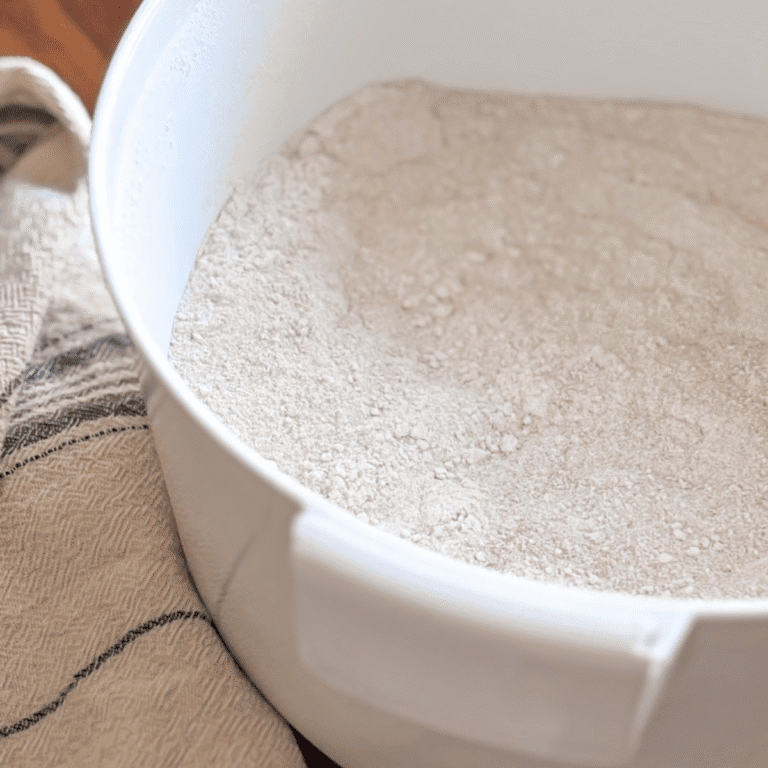
When I first started milling my own flour at home, I had no idea how much joy and simplicity it would bring to our household. What began as a desire to bake healthier bread for my family quickly turned into a full-blown passion. There’s something so deeply satisfying about taking wheat berries—tiny, humble grains—and transforming them into wholesome, fresh flour that nourishes both body and soul.
But if you’re new to the world of home flour milling, the first question you’re probably asking is: Where do I even buy wheat berries? And how do I know I’m getting the right kind? You’re in the right place. In this post, I’m going to walk you through everything you need to know—from where to buy wheat berries (locally and online), what varieties are best for different types of baking, to how to store them long-term. Whether you’re milling for sourdough bread, fluffy pancakes, or hearty muffins, choosing the right grain is the first step.
This post may contain affiliate links, which means I may earn a small commission at no extra cost to you if you make a purchase through these links. I only recommend products I personally use and trust. Your support helps keep this blog running—thank you!

Why the Right Wheat Berries Matter for Home Milling
When you mill your own flour at home, you control the freshness and nutrition of what your family eats. But that also means you need to start with quality grain. The wheat berry is your foundation—your raw ingredient. It matters!
Just like you wouldn’t build a house with crumbling bricks, you don’t want to mill dusty, low-quality grain. Fresh, clean, high-protein wheat berries make all the difference in the texture, rise, and flavor of your baked goods. Plus, in today’s world, knowing where your grain comes from is important. Is it sprayed with chemicals? Has it been sitting in a warehouse for years? Buying from trusted sources ensures you’re feeding your family flour that’s as nutritious and clean as it is delicious.
What Are Wheat Berries?
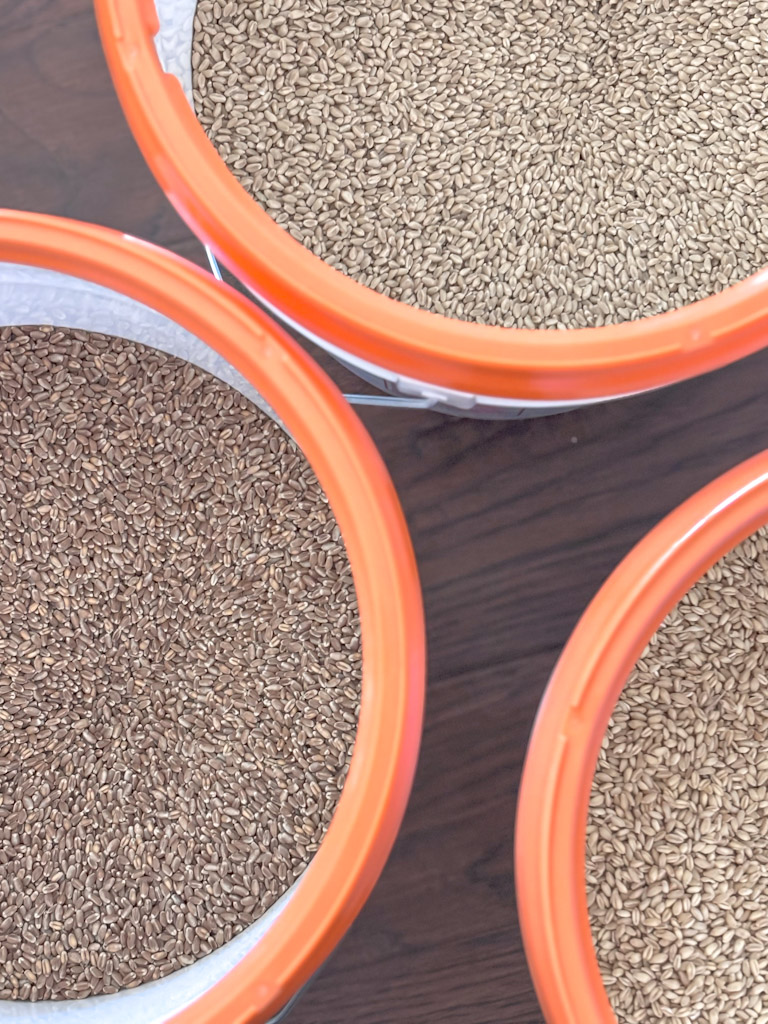
Let’s start at the beginning. Wheat berries are whole, unprocessed wheat kernels that include all three parts of the grain: the bran, germ, and endosperm. That means they’re loaded with fiber, vitamins, and minerals.
There are two main categories:
- Hard Wheat Berries – higher in protein (ideal for bread).
- Soft Wheat Berries – lower protein, lighter texture (perfect for pastries and muffins).
When stored properly, wheat berries are ideal for long-term food storage and will stay fresh for years. They don’t go rancid like pre-ground flour, which begins to lose its nutrients almost immediately after milling.
Types of Wheat Berries and Their Best Uses
Let’s look at the most common types of wheat berries you’ll encounter:
Hard Red Wheat
- Protein Content: High
- Flavor: Nutty flavor and robust
- Best For: Hearty artisan bread, sourdough, dinner rolls
- My Tip: I love using hard red wheat for my sourdough starter and sandwich loaves with a rustic crust.
Hard White Wheat Berries
- Protein Content: Similar to red wheat but milder
- Flavor: Sweeter and lighter
- Best For: Sandwich bread, hamburger buns
- My Tip: This is a staple in our home—I mix it 50/50 with hard red for the perfect balance in texture and taste.
Soft White Wheat
- Protein Content: Lower
- Flavor: Mild, slightly sweet
- Best For: Pancakes, muffins, cookies, cakes
- My Tip: I use this for all my baked goods that don’t require rising. You’ll notice an immediate difference in softness and flavor!
Ancient Grains (Einkorn, Spelt, Kamut)
- Flavor: Rich and earthy
- Best For: Rustic baking, digestive-friendly options
- My Tip: I occasionally rotate these into our baking routine. Einkorn makes beautiful pancakes and waffles. You can even find Bob’s Red Mill Einkorn at many local stores if you want to try a small amount first.
Where to Buy Wheat Berries
Local Options—If you prefer shopping local (which I always encourage when possible), here are a few great sources:
- Health food stores – Some, like Whole Foods, carry wheat berries in bulk bins.
- Local co-ops and homesteading groups – Try reaching out on Facebook or community bulletin boards.
- Farmers markets or local mills – You might be surprised who grows and sells wheat nearby!
- Amish bulk stores – These are one of my favorite hidden gems. You can often find incredible prices on wheat berries, oats, rice, and even food-grade buckets.
TIP: Ask vendors about their farming practices and if the wheat is organic or non-GMO.
Would you like to save this?
Online Retailers (My Favorites!)—Sometimes it’s just easier (and cheaper!) to order online—especially when buying in bulk.
- Azure Standard–This is where I buy 90% of my wheat berries and my storage buckets. They offer: Bulk pricing (best prices), Organic and non-GMO options, Food-grade storage buckets and lids, Huge variety of grains. Shipping is FREE, but they deliver to a community drop locations, which means you’ll need to meet your local group at a certain time/place. It’s been a smooth experience for us and so worth it!
- Bread Beckers–If you’re near Atlanta, GA, you can shop in person. Otherwise, they have an online co-op model similar to Azure. Their grain is high quality, and they also sell grain mills and baking supplies.
- True Leaf Market–They offer a good selection of organic grains and free shipping on orders over $75.
- Amazon–A convenient option for smaller quantities. Prices may be a bit higher, but it’s great for beginners who want to try different varieties quickly. Be sure to check sourcing if that is important to you.
- Country Life Natural Foods–Free shipping costs over $99. Great selection and clean packaging.
How Much Wheat to Buy—and How to Store It
When you’re first getting started, don’t feel like you need to buy 100 lbs! Start with:
- 10–25 lbs of a single variety
- See how you like it and how fast you go through it
Once you find your favorites, buy in bulk (50 lb bags) to save money.
Long Term Grain Storage Tips
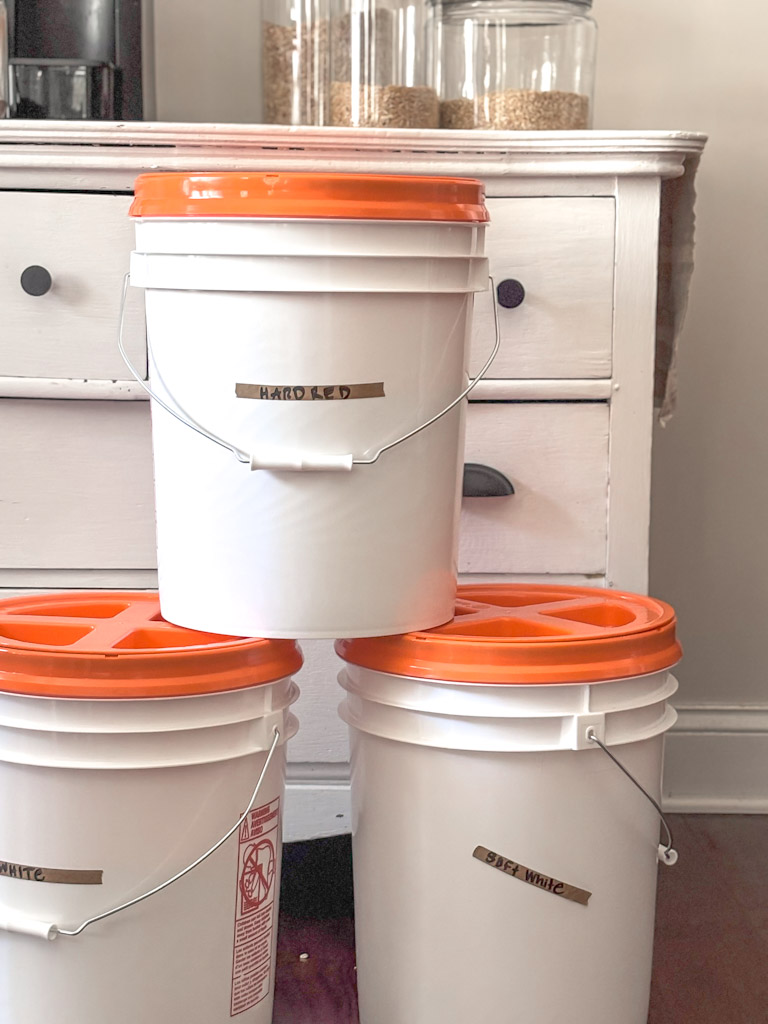
- Use food-grade 5-gallon bucket with gamma seal lid – These lids twist open easily and keep air and moisture out which makes great storage conditions.
- For long-term storage (years), line the plastic bucket with a Mylar bag and add oxygen absorbers to prevent spoilage.
- Wheat berries will stay fresh for up to 6 months in a pantry jar, but much longer when stored airtight.
What to Look for When Buying Wheat Berries
Here are a few things to keep in mind as you shop:
- Organic or non-GMO: Reduces your exposure to pesticides.
- Clean appearance: No dust, stones, or broken kernels.
- High protein content: Especially important for bread baking.
- Storage info: Ask how long the berries have been stored and how they were kept.
My Personal Favorites
In our home, I use a 50/50 mix of hard red and hard white wheat for most of our sandwich breads and sourdough. The flavor and rise are just right for us.
For muffins, pancakes, cookies, and pastries, I stick to soft white wheat.
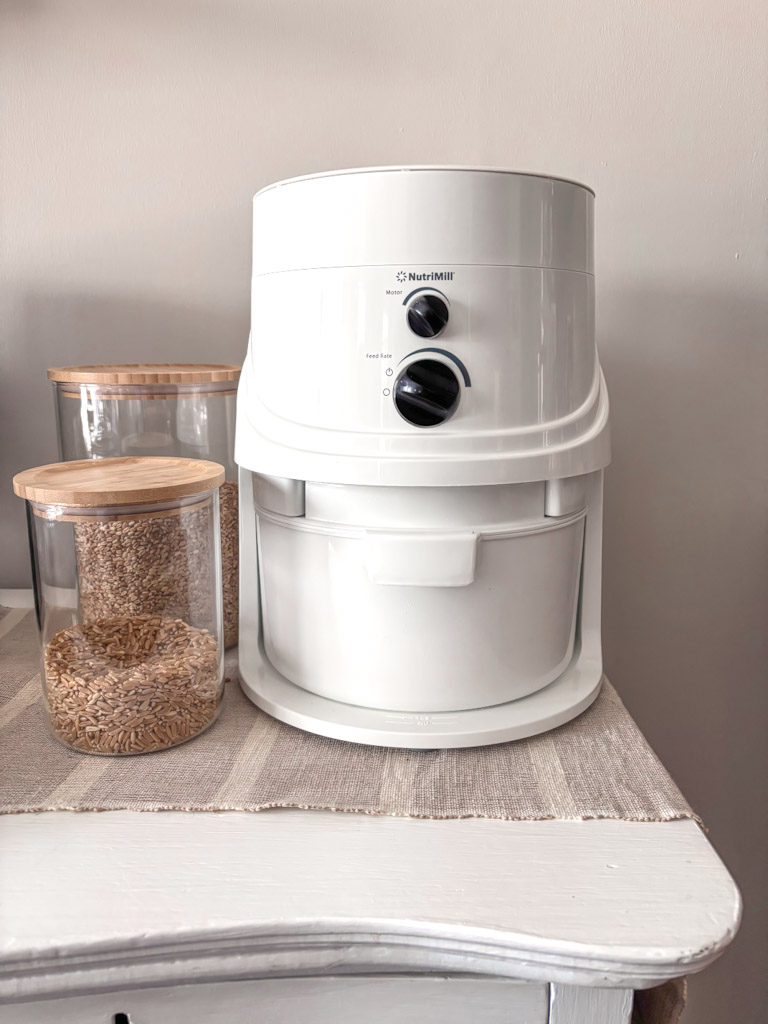
I buy in bulk from Azure Standard, and occasionally supplement with smaller bags from the grocery store if I want to test a new variety. Einkorn and Spelt are fun to experiment with! If you’re curious about the tools I use in my kitchen, I’ve linked them all here on Amazon and love my Nutrimill.
How I Use Fresh Milled Flour in Our Kitchen
We use freshly milled flour for:
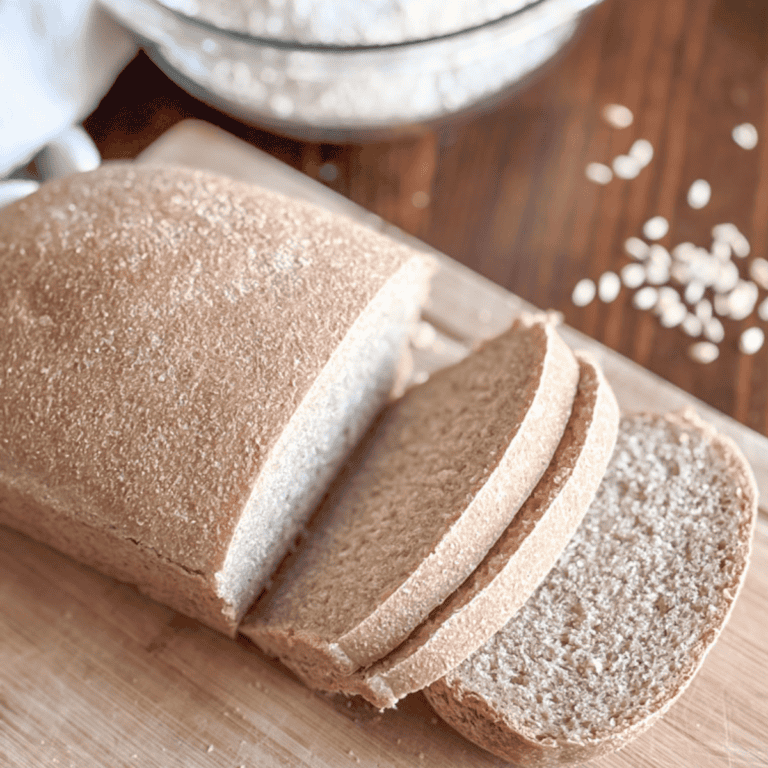
- Sourdough bread (made with my own starter)
- Fluffy pancakes every Saturday morning
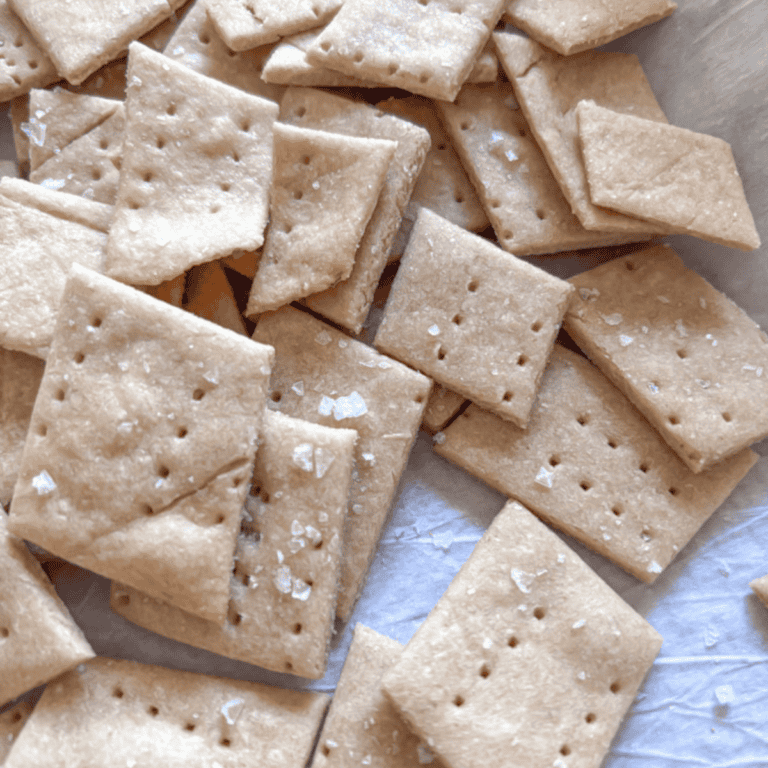
- Cookies, muffins, and all our baked treats
If you want to start baking sourdough with freshly milled flour, check out my Fresh Milled Sourdough Starter Guide and Sourdough Sandwich Bread Recipe.
FAQ’s
Wheat berries are whole, unprocessed kernels of wheat, containing the bran, germ, and endosperm. They’re the raw form of wheat before it’s ground into flour.
Hard wheat is higher in protein and best for breads. Soft wheat is lower in protein and ideal for pastries and tender baked goods.
Yes! You can cook them like rice and use them in salads, soups, or grain bowls.
Technically yes, but I wouldn’t recommend it long term. It’s hard on the motor and won’t give you the fine consistency needed for most baking. A grain mill is a much better investment.
Final Thoughts
Milling your own flour is one of the simplest ways to bring beauty, health, and intentionality into your home kitchen. The smell of warm, fresh flour alone is enough to make your day better—and the flavor? Nothing compares.
Whether you’re baking your first loaf of sourdough or just want fluffier pancakes for your kids, choosing quality wheat berries is the first step.
I hope this guide has helped you feel more confident about where to buy wheat berries and how to get started. Feel free to drop questions in the comments, and don’t forget to check out the resources and tools I use every week in our homeschool kitchen.
Want more delicious recipes or guides sent straight to your inbox? Subscribe to my newsletter to receive the latest! If you use this guide, I’d also love for you to tag me @autumn.chasingoursimple on Instagram so I can see what you’ve been baking and learning!