Sourdough for Kids: A Family Unit Study & Learning Guide

Last Updated on June 16, 2026 by Autumn Ballard
Discover sourdough for kids with this family-style unit study. Explore baking, science, history, and hands-on learning while making sourdough together.
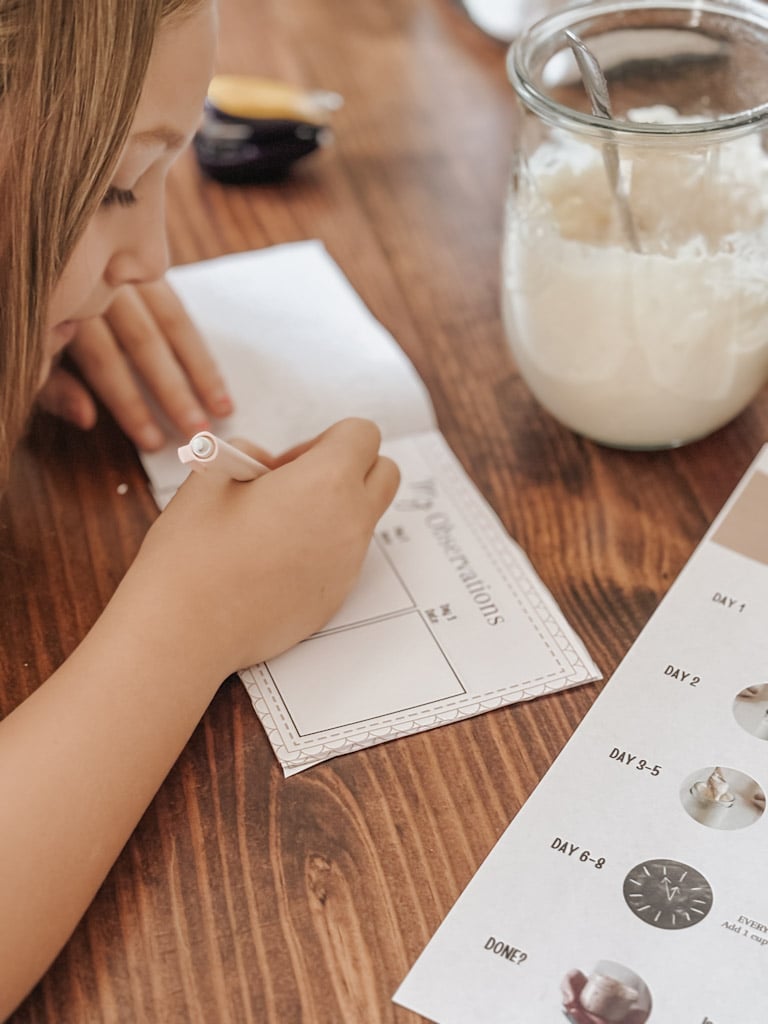
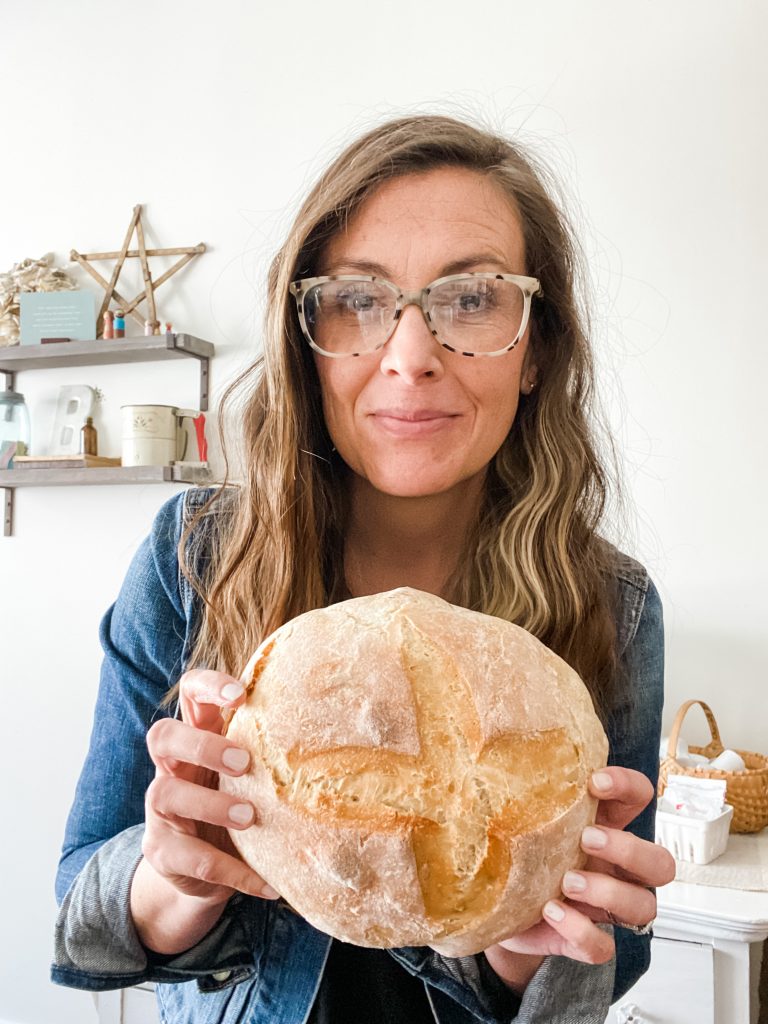
One of my favorite things about sourdough baking is that it naturally invites kids into the kitchen. From mixing flour and water to watching a starter bubble and grow, sourdough is full of opportunities for hands-on learning and meaningful family memories.
This sourdough for kids unit study was created to help families explore the many lessons hidden inside a simple loaf of bread. Together, you’ll discover the science behind fermentation, learn about the history of breadmaking, practice math skills in the kitchen, and enjoy the satisfaction of creating something from scratch.
Whether you’re homeschooling, looking for a family project, or simply wanting to spend more intentional time together, this guide will help you turn everyday baking into a rich learning experience that your children will remember long after the bread is gone.

Why Teach Sourdough to Kids?
Sourdough is so much more than just bread. It provides a unique opportunity for children to learn practical life skills while exploring science, history, math, and nutrition in a hands-on way.
One of the reasons I love teaching sourdough to my kids is that it slows us down. In a world where so much happens instantly, sourdough teaches patience. Children learn that good things take time as they watch a starter grow, dough ferment, and bread bake. They experience the satisfaction of creating something with their own hands from simple ingredients.
Sourdough also makes learning feel natural. As children measure ingredients, they’re practicing math. As they observe bubbles forming in their own sourdough starter, they’re witnessing science in action. As they learn about how bread has been made for thousands of years, they’re connecting with history in a meaningful way.
Beyond academics, sourdough helps build confidence in the kitchen. Kids learn valuable skills like following directions, measuring accurately, and preparing food for their family. These are lessons that will serve them long after their school years are over.
Most importantly, teaching sourdough creates opportunities for connection. Some of my favorite memories have been made around the kitchen counter, mixing dough, checking on our starter, and sharing fresh bread together. The lessons learned are valuable, but the time spent together may be the greatest gift of all.
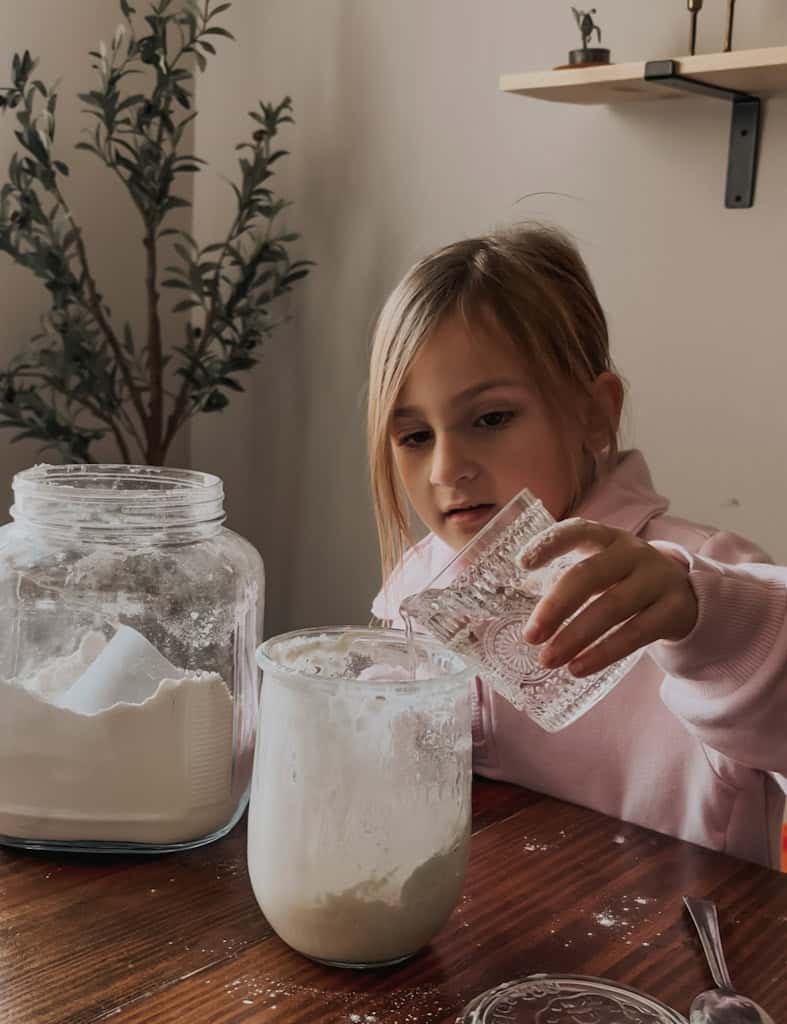
What Kids Can Learn from Sourdough
One of the things I love most about sourdough is how many learning opportunities are packed into a simple loaf of bread. That’s why I created this family-style sourdough unit study—to help families explore the science, history, nutrition, and practical skills behind one of the oldest foods in the world.
Science in Action
Sourdough is a fascinating way to introduce children to science concepts through observation and hands-on experimentation. As they watch a sourdough starter bubble and grow, they’ll learn about wild yeast, beneficial bacteria, fermentation, and the role these microorganisms play in makeing their own bread loaves.
Inside the unit study, children will explore the science of fermentation through age-appropriate lessons, observation activities, and simple experiments that bring these concepts to life.
History and Culture
Bread has been a staple food for thousands of years, making sourdough a wonderful gateway into history. Children can discover how ancient civilizations made bread, how sourdough was used before commercial yeast existed, and why bread has played such an important role in cultures around the world.
The unit study includes lessons that trace the history of breadmaking and help children connect what they’re learning in the kitchen to the people and cultures who came before us.
Math Skills with Real-Life Purpose
Measuring flour, calculating feeding ratios, doubling recipes, and dividing dough all provide natural opportunities to practice math skills. Instead of working through worksheets, children see how math is used in everyday life.
Throughout the unit study, kids will apply concepts like fractions, measurements, multiplication, and problem-solving while participating in hands-on baking activities.
Nutrition and Food Education
Making sourdough from scratch helps children understand where food comes from and how simple ingredients can be transformed into nourishing meals. It’s an opportunity to discuss whole foods, grains, fermentation, and the value of preparing food at home.
The unit study encourages meaningful conversations about nutrition while helping children build a deeper appreciation for the food they eat.
Life Skills and Confidence
Perhaps one of the greatest benefits of teaching sourdough to kids is the practical life skills they gain along the way. Following directions, measuring ingredients, maintaining an active sourdough starter, planning ahead, and working through mistakes are all valuable lessons that extend far beyond baking.
By the end of the unit study, children won’t just know more about sourdough—they’ll have developed confidence in the kitchen and experienced the satisfaction of creating something with their own hands.
Family Connection
While this unit study includes plenty of educational content, my favorite part is the opportunity it creates for connection. Baking together encourages conversation, teamwork, and shared experiences that children often remember long after the lesson is finished.
The goal isn’t simply to learn about sourdough. It’s to learn together, make memories, and enjoy the process as a family.
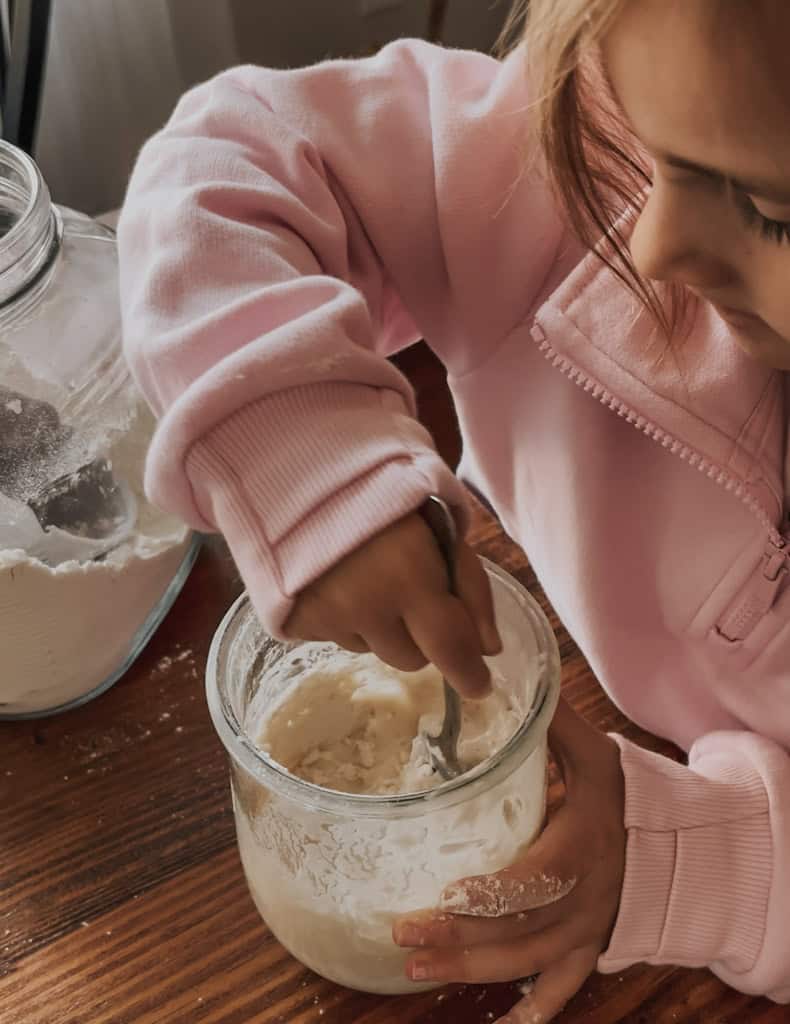
Frequently Asked Questions
Who Is This Sourdough Unit Study For?
This unit study was designed for families who want to learn together through hands-on experiences. Whether you’re a homeschooling family, a parent looking for an engaging family project, or simply someone who loves baking with your children, this study provides a fun and meaningful way to explore sourdough together.
No previous sourdough experience is required. The lessons are beginner-friendly and designed to help both parents and children learn along the way.
How Can I Use This Study as a Homeschool Family?
One of the things I love most about this unit study is its flexibility. You can use it as a stand-alone unit focused entirely on sourdough, incorporate it into your science studies while learning about fermentation, or use it as part of a larger unit on food, nutrition, agriculture, or history.
Would you like to save this?
Many families choose to work through the lessons over the course of a few weeks, baking and completing activities as they go. Others use it as a family project that naturally weaves together science, history, math, language arts, and practical life skills.
There is no right or wrong way to use the study. Adapt it to fit your family’s learning style and schedule.
Can This Unit Be Used with Multiple-Aged Children?
Absolutely! This study was intentionally created with family learning in mind. The hands-on nature of sourdough makes it easy for children of different ages to participate together.
Younger children can help mix ingredients, observe changes in the starter, and participate in simple activities. Older children can dive deeper into the science of fermentation, complete research assignments, practice math skills, and take a larger role in the baking process.
Family-style learning allows everyone to explore the same topic while engaging at their own level, making this a great fit for households with multiple children.
What’s Included in the Unit Study?
The Sourdough for Kids Unit Study includes a variety of educational and hands-on resources designed to help young bakers explore sourdough from multiple angles.
Inside, you’ll find lessons covering:
- The science of the fermentation process with kid-friendly breakdowns of sourdough loaf
- The history of breadmaking
- Nutrition and whole foods
- Practical baking skills through a hands-on process
- Vocabulary and key sourdough concepts
You’ll also find hands-on activities, discussion prompts, observation opportunities, and family-friendly projects that bring learning to life in the kitchen.
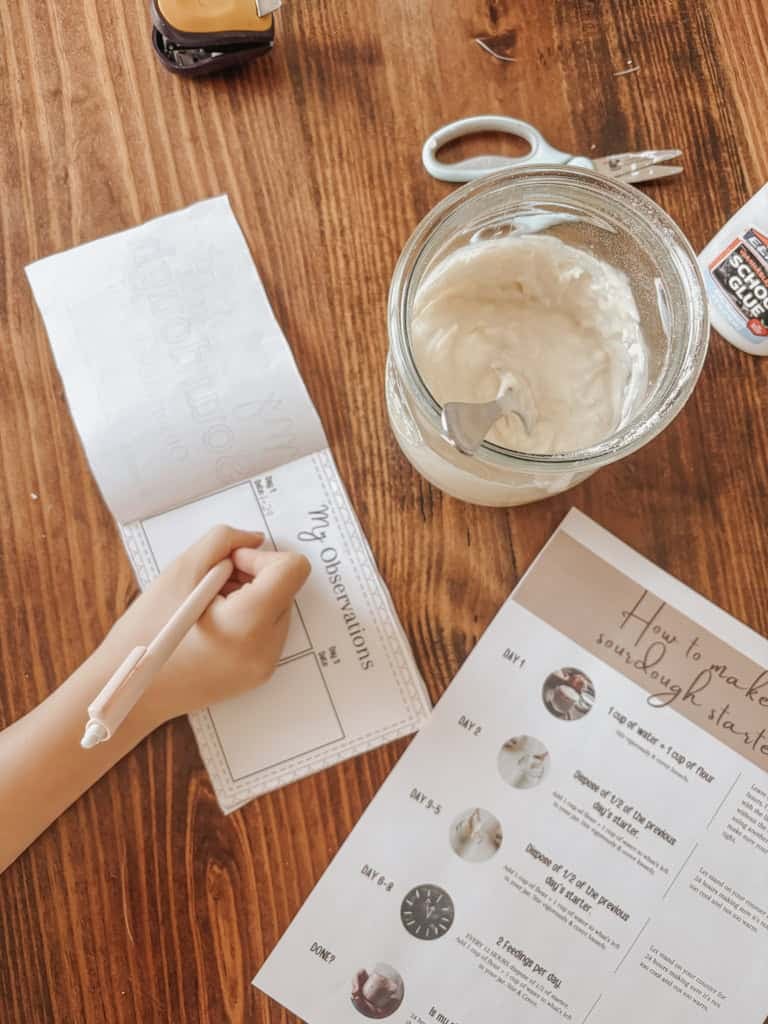
As a special bonus, you’ll also receive My Sourdough Cookbook for Kids, a collection of kid-friendly sourdough recipes designed to help children build confidence in the kitchen. These simple recipes including traditional sourdough breads and many sourdough discard recipes, allow kids to put what they’re learning into practice while creating delicious homemade foods the whole family can enjoy.
The goal is to provide a rich learning experience that goes beyond baking a loaf of bread and helps children develop a deeper understanding of food, science, history, and the value of creating something from scratch.
Recommended Books About Bread Baking
One of my favorite ways to extend a unit study is by adding great books to our learning. Reading together helps children connect what they’re learning in the kitchen to history, science, culture, and storytelling. Whether you’re studying sourdough as a family or simply looking to encourage a love of baking, these books are wonderful additions to your homeschool library.
The Little Red Hen by Paul Galdone
This classic picture book introduces children to the work involved in bringing food from grain to table. It’s a simple but powerful reminder of the value of hard work and provides a great starting point for conversations about where our food comes from.
Everybody Bakes Bread by Norah Dooley
Follow a young girl as she visits her neighbors and discovers the many different ways bread is made around the world. This book is a wonderful introduction to cultural traditions, family recipes, and the role bread plays in communities everywhere.
Bread, Bread, Bread by Ann Morris
This beautifully photographed book explores breads from many countries and cultures. Children will enjoy seeing the different shapes, ingredients, and traditions associated with bread around the world.
How Did That Get in My Lunchbox? by Chris Butterworth
While not specifically about bread, this engaging book helps children understand how food is produced and makes a great companion to discussions about grains, flour, and baking from scratch.
A Medieval Feast by Aliki
Older children will enjoy learning about food preparation and daily life during medieval times. This book provides a fascinating look at historical cooking and helps children understand how bread has been an important staple throughout history.
The Only Way to Make Bread by Cristina Quintero
This educational book explores the the many ways bread is made. It pairs perfectly with lessons about the history of sourdough and traditional breadmaking.
Let’s Read, Bake, and Learn Together
Don’t feel like you need to read every book on this list. Even adding one or two titles to your sourdough study can spark meaningful conversations and help little bakers make connections between what they’re learning and the world around them.
One of the greatest benefits of a family-style unit study is that learning doesn’t stay confined to a worksheet or lesson plan. It comes alive through stories, hands-on experiences, and shared moments around the kitchen table—and books are a great way to deepen that experience.
Simple Sourdough Recipes for Kids
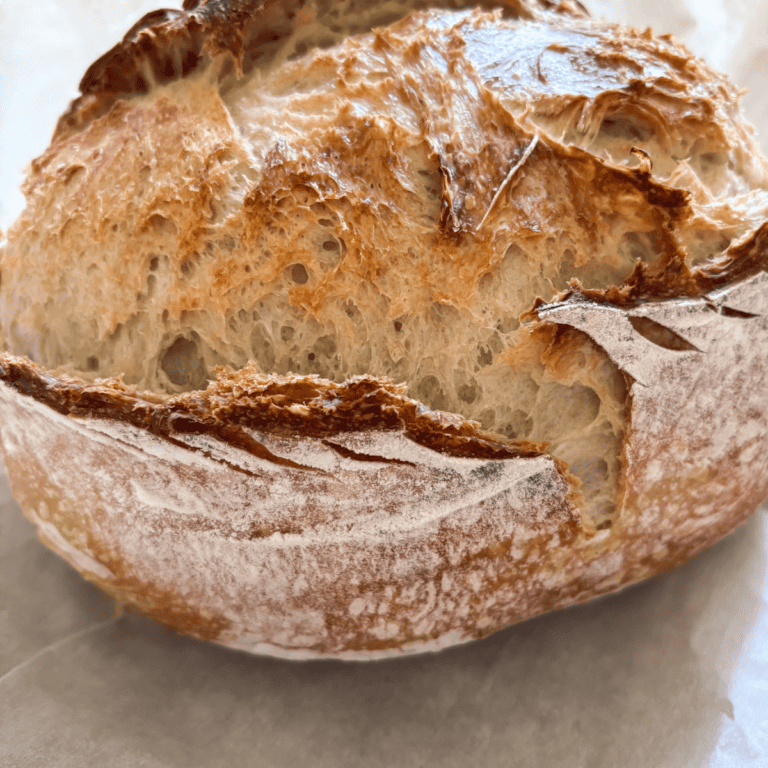
One of the best ways for children to learn about sourdough is by getting their hands involved in the process. While baking a traditional artisan loaf can be exciting, little tummies often enjoy recipes that offer quicker results and more opportunities to participate.
These beginner-friendly sourdough recipes are perfect for helping kids build confidence in the kitchen while practicing the skills they’ve learned throughout this unit study. From measuring ingredients to mixing dough and shaping baked goods, each recipe provides valuable hands-on learning opportunities.
Sourdough Brownies
Fluffy Muffins
Sourdough Crackers
Sourdough Donuts
Download the Sourdough for Kids Unit Study
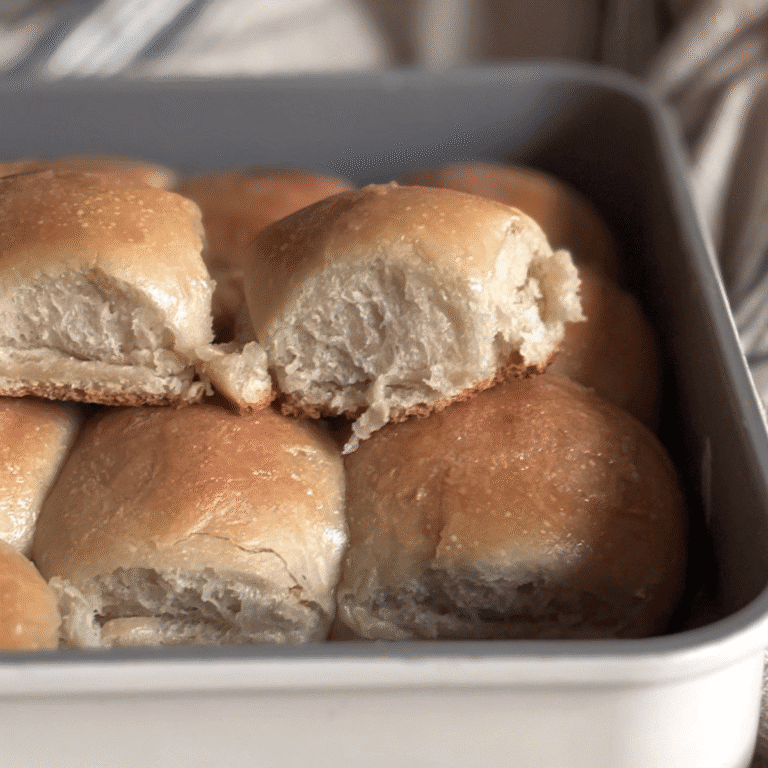
Remember, the goal isn’t perfection. The kitchen is one of the best classrooms for teaching patience, problem-solving, creativity, and practical life skills. Whether your child is measuring flour, feeding a starter, or proudly pulling a tray of rolls from the oven, every step is an opportunity to learn.
Choose a recipe, gather your ingredients, and enjoy the process together. The memories made around the kitchen table are often just as valuable as the lessons themselves.